Don't Flush your cars transmission till you read this
flushing your cars transmission is a bad idea
2/26/20262 min read
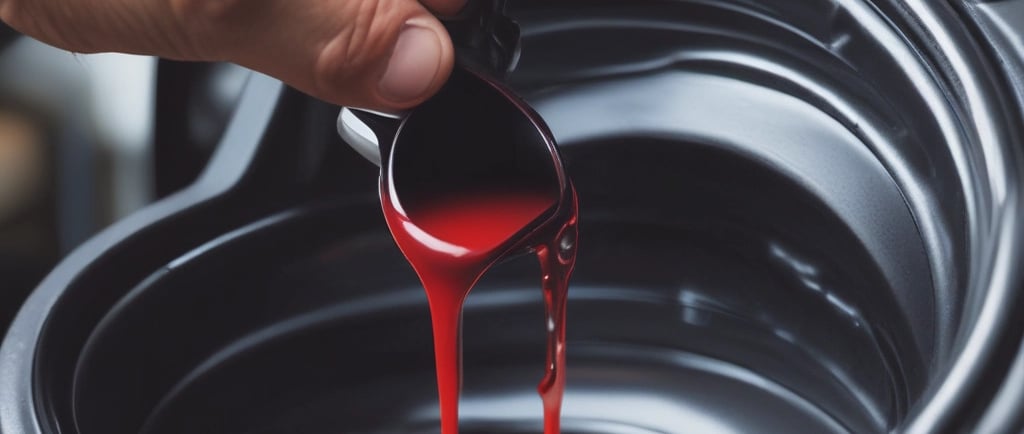
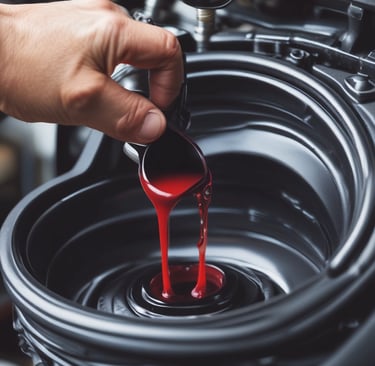
While it might sound like a great "deep clean," flushing a high-mileage transmission can actually do more harm than good. Over time, friction material from the clutch plates wears off and suspends itself in the old, thickened fluid. This gritty texture actually helps an aging transmission maintain grip.
A high-pressure flush forces new, slick detergent-rich fluid through the system. This can wash away those vital particles and dislodge accumulated sludge, pushing debris into the narrow passages of the valve body. The result? A transmission that begins to slip or fails entirely shortly after the service.
Instead of a flush, most mechanics recommend a drain and fill. This replaces a portion of the fluid and the filter without the mechanical shock of a pressurized blast.
Would you like me to look up the specific maintenance schedule for your car's make and model?
You said
write a 300 word article about why not to flush a cars transmission fluid
The "Flush" vs. "Fill" Debate: Why Pressure Can Be a Problem
In the world of automotive maintenance, the "transmission flush" is often marketed as a way to give your vehicle a fresh start. However, if you talk to experienced mechanics or look at the fine print in many owner’s manuals, you'll find a growing chorus of warnings. While the intention is to remove contaminants, the process can inadvertently lead to total transmission failure.
The Problem with Pressure
A traditional transmission flush uses a machine to force new fluid through the system under high pressure. In an older vehicle, this is a recipe for disaster. Over tens of thousands of miles, debris, metal shavings, and "sludge" naturally accumulate in the corners of the transmission.
When you introduce high-pressure fluid, you aren't just cleaning; you're disturbing the peace. This pressure can dislodge heavy deposits and send them swirling into the valve body, a complex maze of narrow channels that act as the transmission's "brain." If a piece of grit clogs one of these passages, the transmission may stop shifting correctly or overheat instantly.
The Role of "Grit"
In high-mileage cars, the old fluid often contains microscopic bits of friction material worn off the clutch plates. This actually helps an aging transmission by providing a bit of "grip." When you perform a total flush, you replace that gritty, viscous fluid with brand-new, highly detergent, and very slippery fluid. Without that familiar friction, an older transmission may begin to slip, essentially ending its functional life.
© 2026. All rights reserved.